
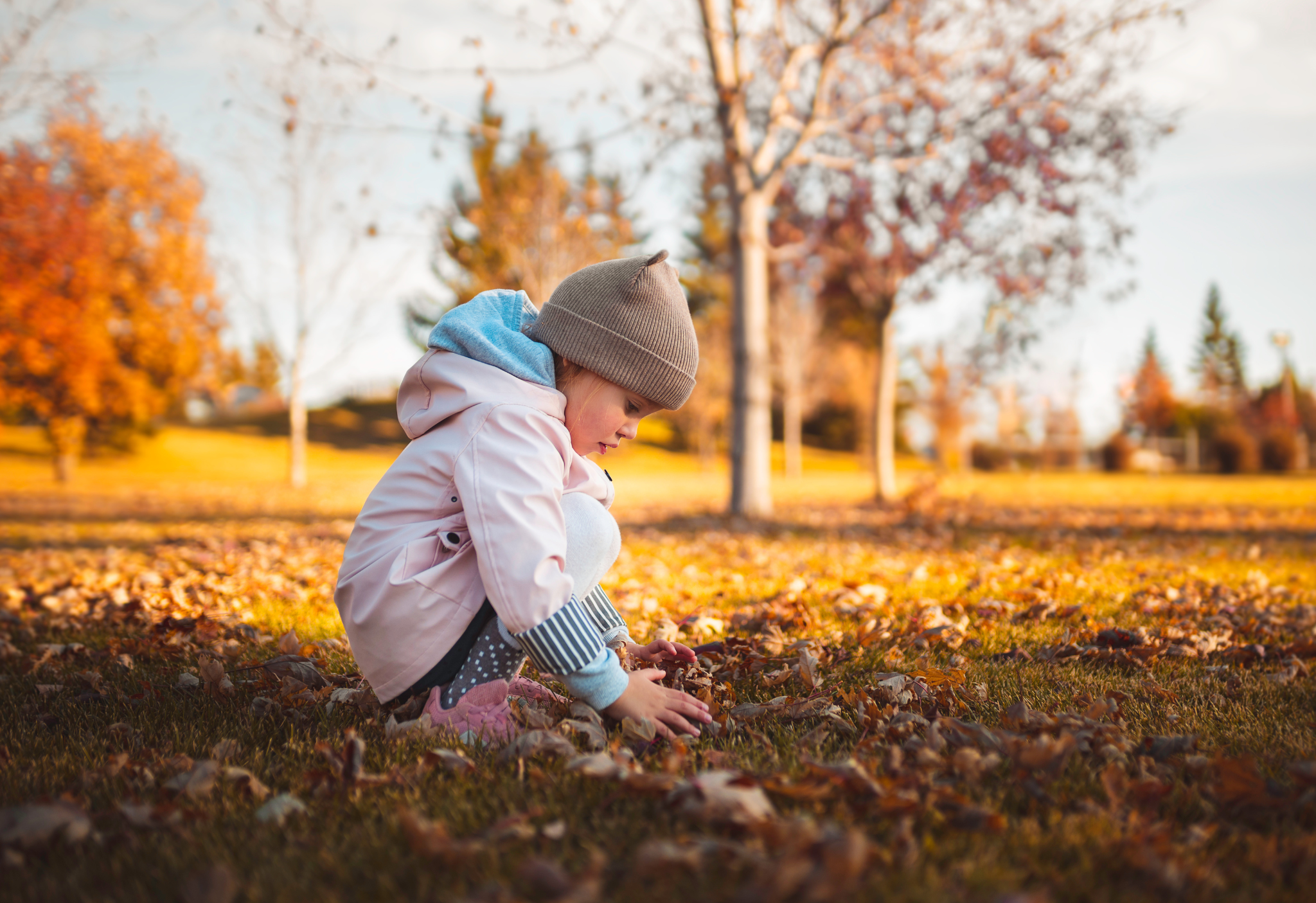
As autumn arrives, the world around us begins to shift in subtle and beautiful ways. The air becomes crisp, leaves change colour and fall to the ground, and nature offers a rich variety of textures, sounds, and scents. For young tamariki, these seasonal changes provide the perfect opportunity for sensory exploration and discovery.
At Puanga Kākaho, everyday moments in nature become powerful learning experiences. Through sensory play, children develop a deeper understanding of the world around them while building important skills that support their growth and development.
Discovering the World Through the Senses
Young tamariki learn best through hands-on experiences. Touching, smelling, listening, and observing helps them make sense of their environment and develop strong neural connections.
Autumn naturally creates a sensory-rich environment for children to explore. They may notice:
- The crunching sound of dry leaves beneath their feet
- The different textures of bark, leaves, and seed pods
- The earthy scent of damp soil after rain
- The cooler air on their skin during outdoor play
- Glistening, shimmering dew drops in the early morning
- The vibrant colours of autumn leaves scattered across the ground
These simple experiences encourage tamariki to slow down and notice the details of the world around them.
The Value of Natural Materials
Natural materials are wonderfully open-ended. A basket of autumn leaves or a collection of pinecones can spark curiosity, creativity, and imaginative play.
In the Reggio Emilia approach, kaiako recognise that the environment plays a vital role in learning. The spaces children spend time in, and the materials they are invited to explore, can inspire new ideas, creativity, and meaningful discoveries.
Autumn provides an abundance of natural materials that tamariki can collect, sort, stack, and transform through play. Leaves might become ingredients in a pretend soup, tools for printing and art, or treasures to examine closely and compare.
Freedom to Explore
Sensory play is most meaningful when children are able to explore at their own pace. The respectful philosophy of the Pikler approach encourages educators to provide a safe, supportive environment while allowing tamariki the freedom to follow their own curiosity.
At Puanga Kākaho, this means giving children time to investigate the textures, sounds, and sensations of autumn without rushing them through the experience. Some tamariki may enjoy jumping into piles of leaves, while others may quietly examine the shapes and patterns they notice.
Both experiences are valuable, and both support children’s natural desire to explore and learn.
Autumn Invitations to Play
During autumn, kaiako often create simple sensory experiences using the treasures the season provides. These might include:
- Baskets of leaves and seed pods for sorting and exploring
- Nature tables displaying seasonal finds
- Leaf printing and collage art experiences
- Outdoor play with sticks, stones, and bark for building and creating
- Magnifying glasses to explore dew drops or leaves
These activities encourage tamariki to engage their senses while developing creativity, language, and problem-solving skills.
Celebrating the Season
One of the joys of early childhood is watching children discover wonder in the simplest things. A falling leaf, the crunch of autumn underfoot, a dew drop that wobbles, or the feel of cool air can spark curiosity and delight.
At Puanga Kākaho, these small seasonal moments become meaningful learning experiences. Through sensory play and exploration, tamariki build confidence, curiosity, and a strong connection with the natural world.
Autumn reminds us that sometimes the best learning opportunities are already waiting just outside our door.