
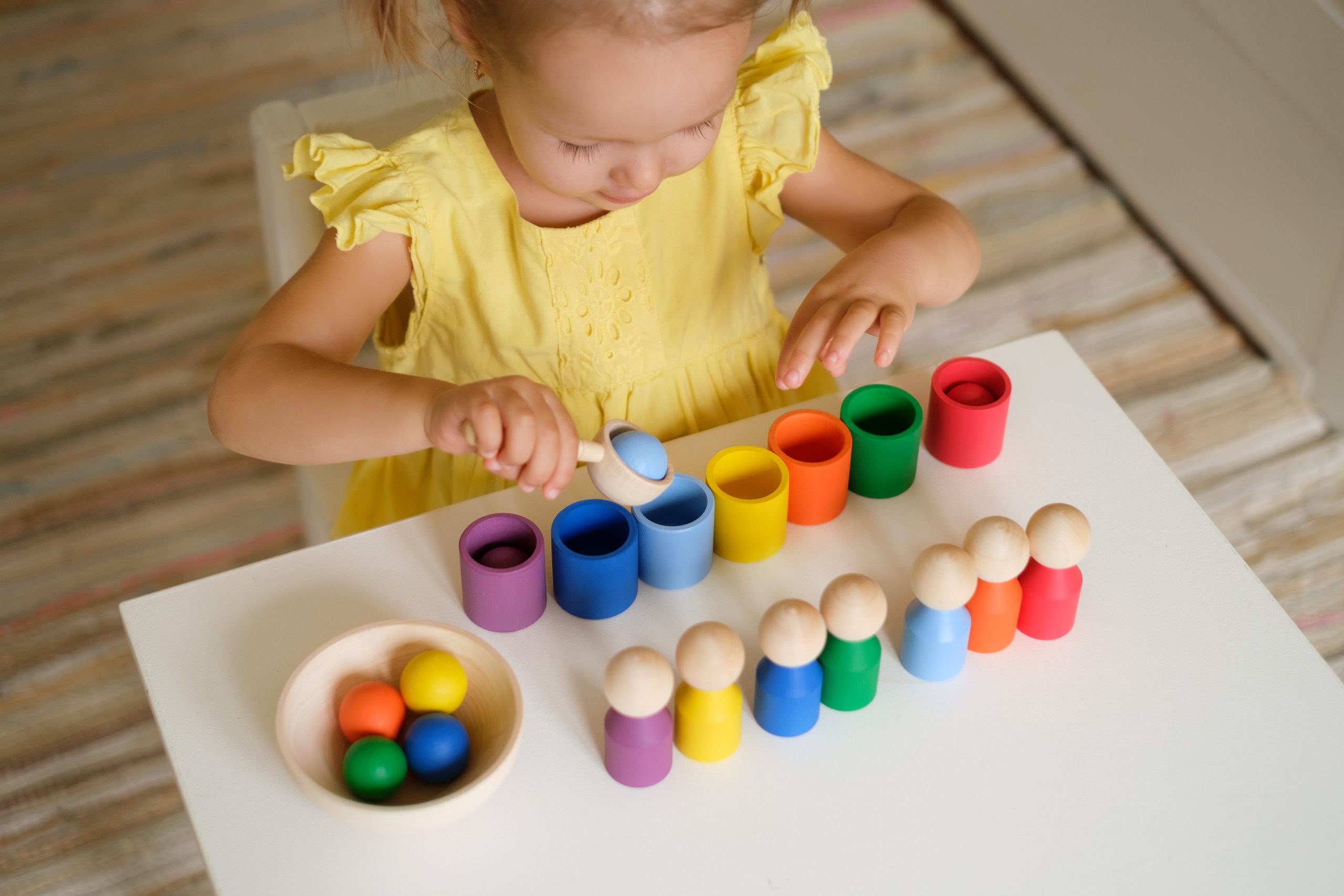
First-time parents can sometimes feel immense pressure to keep their children occupied and entertained for every waking moment of their day – but did you know, giving tamariki time to play and explore without adult direction can be beneficial for their development?
At Puanga Kākaho, we believe childhood should be filled with curiosity, wonder and discovery – and one of the most powerful ways children learn and grow is through unstructured play. This type of play and exploration is led by a child’s own interests, without adult-imposed rules or outcomes, and fosters creativity, problem-solving, and confidence while nurturing a lifelong love of learning.
What is Unstructured Play?
Unstructured play is open-ended, child-led play without specific instructions or an adult directing the experience. Unlike structured activities such as sports, lessons or organised games, unstructured play allows children to follow their natural curiosity and decide how they want to engage with their environment. This could be making up a game with friends, building a fort from branches, or simply digging in the dirt.
The Role of Nature in Unstructured Play
Natural environments are one of the richest settings for unstructured play. In a world increasingly dominated by screens and schedules, time spent outdoors in nature allows children to slow down, engage their senses and develop essential life skills in an organic way.
At Puanga Kākaho, our outdoor spaces are designed to inspire free exploration. Mud kitchens, sand pits, climbing logs and open grassy areas invite children to create their own games, test their limits, and discover the joy of learning through play. When children are given the freedom to explore, they develop resilience, adaptability, and the ability to assess risks — all crucial skills for lifelong learning.
The Key Benefits of Unstructured Play
- Boosts Creativity and Imagination
When children lead their own play, they have the opportunity to think creatively. Without a set of rules to follow, they invent their own games, create stories, and use objects in imaginative ways. This kind of thinking lays the foundation for problem-solving and innovation later in life. - Encourages Independence and Confidence
Self-directed play allows children to make their own choices, set their own challenges, and figure out solutions independently. As they navigate their environment and make decisions, they build confidence in their abilities and develop a sense of autonomy. - Supports Social and Emotional Development
When playing freely with peers, children practice important social skills such as negotiation, cooperation, and conflict resolution. They learn how to express their ideas, take turns, and work together to achieve common goals — all in a natural, enjoyable setting. - Enhances Problem-Solving and Critical Thinking
Without a set outcome or adult guidance, children learn to adapt, think critically, and solve problems on their own. Whether figuring out how to balance on a fallen tree or build a sturdy structure from sticks, they develop skills that are essential for lifelong learning and resilience. - Promotes Physical Development
Climbing, running, digging, and balancing all contribute to children’s physical growth. Outdoor play strengthens motor skills, coordination, and overall fitness. Additionally, exposure to natural elements like uneven terrain, varying textures, and different weather conditions enhances sensory development. - Fosters a Connection to Nature
Time spent playing freely in nature cultivates a deep appreciation for the environment. When children explore the natural world—watching insects, collecting leaves, or splashing in puddles—they develop a sense of wonder and stewardship for the earth.
Encouraging Unstructured Play at Home
While early childhood centres like Puanga Kākaho provide rich opportunities for unstructured play, families can also encourage this at home. Simple ways to support child-led exploration include:
- Providing open-ended materials like blocks, fabric, or natural objects
- Allowing time for free play without structured activities
- Encouraging outdoor adventures in parks, gardens, or local reserves
- Resisting the urge to intervene or direct play — let children take the lead!
Unstructured play is not just about having fun; it’s a crucial part of a child’s development. By giving children the time and space to explore without adult direction, we allow them to develop essential skills that will serve them throughout life.
The next time you see your child lost in their own world of imagination, let them play a little longer — you’re watching important learning in action!