
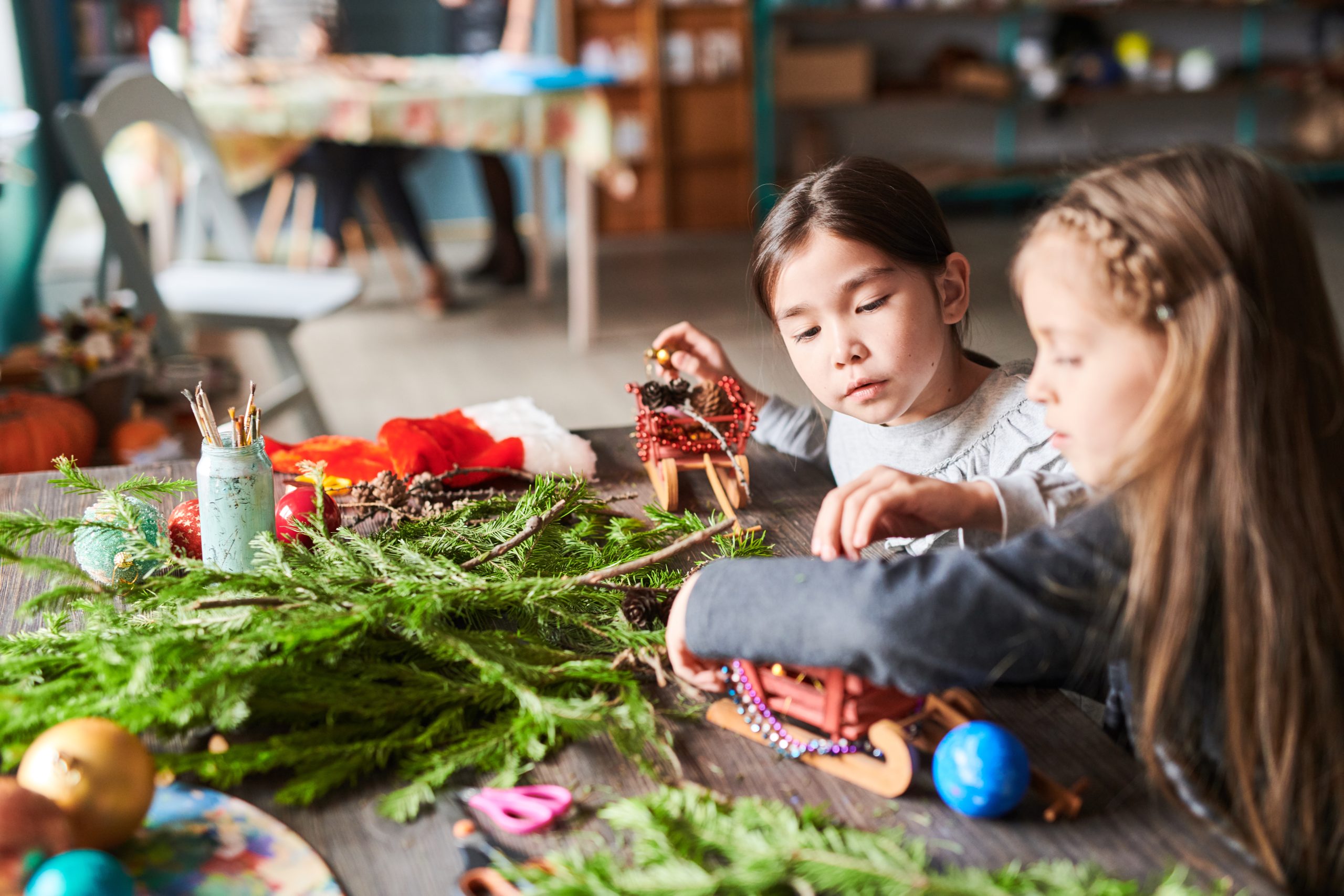
Sensory play is a critical component of early childhood development. This type of play involves activities that engage a child’s senses – touch, smell, taste, sight, and hearing – and helps to build connections in the brain’s pathways.
At Puanga Kākaho, we understand that these connections are crucial for cognitive, linguistic, social, emotional and physical development, and incorporate sensory play into our daily curriculum to support the holistic development of every child. Here are a few of the ways sensory play has a positive impact on early childhood development.
Cognitive Development
Sensory play encourages tamariki to explore and discover, stimulating their curiosity and creativity. Activities such as playing with sand, water, or textured materials like playdough or rice help children learn cause and effect, improve problem-solving skills, and enhance their ability to concentrate. By experimenting with different textures and substances, children learn about the physical properties of the world around them.
Language Skills
Engaging in sensory play provides children with opportunities to describe what they are experiencing. This encourages the development of language skills as they learn to articulate their thoughts and feelings. For example, talking about the squishy, smooth, or rough textures they feel helps to expand their vocabulary and improve their communication skills.
Social and Emotional Development
Sensory play often involves group activities, which are excellent for developing social skills. Tamariki learn to share, take turns, and cooperate with others, fostering a sense of community and teamwork. Additionally, sensory play can be calming and help children manage their emotions. Activities such as playing with water or sand can provide a soothing effect, reducing stress and anxiety.
Fine and Gross Motor Skills
Manipulating objects during sensory play helps to develop fine motor skills. Activities such as pouring, scooping, pinching, and moulding strengthen the small muscles in the hands and fingers, which are essential for tasks like writing and buttoning clothes. Gross motor skills are also enhanced through activities that involve whole-body movements, such as jumping, running, or navigating obstacle courses.
Sensory Integration
Sensory play is essential for tamariki with sensory processing issues. It helps them learn how to respond appropriately to different sensory inputs. Through repeated exposure, children become more comfortable with various textures, sounds, and sights, improving their sensory integration abilities.
Encouraging Exploration and Discovery
Sensory play provides an open-ended, self-directed form of play that encourages children to explore and discover at their own pace. It supports independent thinking and allows children to learn through hands-on experience, fostering a love for learning and discovery.
See Our Sensory Play in Action
By providing a variety of sensory activities, Puanga Kākaho Kaiako ensure that children are engaged, motivated, and ready to explore the world around them in a meaningful way. Sensory play is not just fun; it’s a vital part of early childhood development that lays the foundation for lifelong learning and growth. Head to our Facebook page to see photos of our tamariki engaging in sensory play.